

Infrared Imagers For Industry
KC700 Characteristics : 384×288 uncooled microbolometer detector, Compact and sophisticated design, Easy Operation, All perform at the same time.
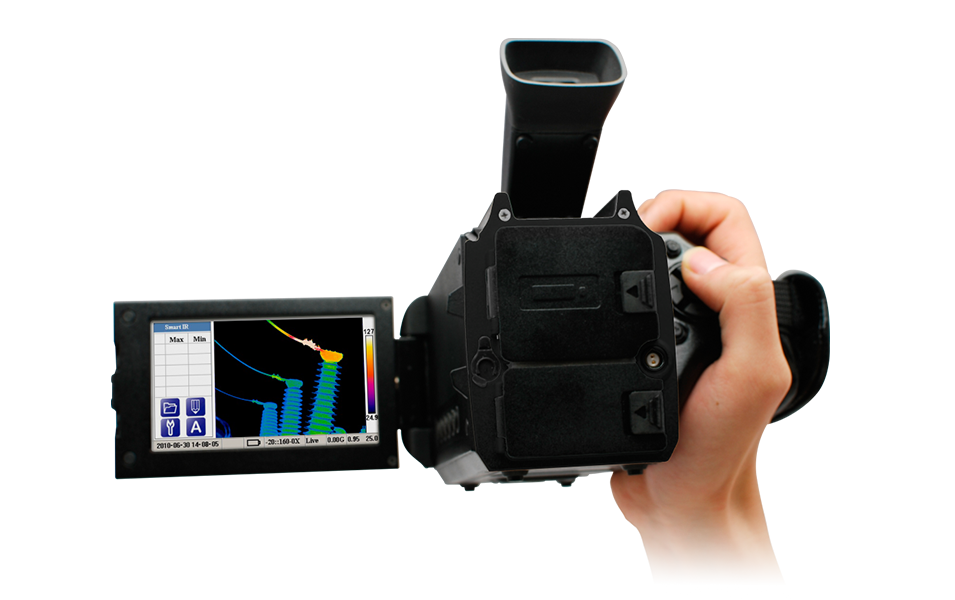
KC700 Characteristics : 384×288 uncooled microbolometer detector, Compact and sophisticated design, Easy Operation, All perform at the same time.

A hand pallet jack, also known as a pallet truck, pallet pump, pump truck, dog, or jigger is a tool used to lift and move pallets. Pallet truck are the most basic form of a forklift and are intended to move heavy or light pallets within a warehouse.
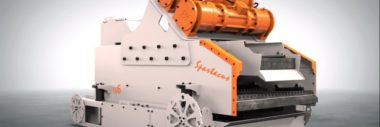
The first phase solids control equipment in oil drilling mud solids control system and the important equipment in the mud recycling system as well. Generally, there are single shale shaker, duplex shale shaker and triple shale shaker.
Manual pallet trucks have a very interesting history. The Industrial Revolution in the late 19th century saw the need for specific equipment to safely handle heavy goods. Thus in 1887, a basic hand pallet rack was invented to manually lift pallets a few inches from the ground. However, this pallet could not move goods from one location to another.
Though a new model was fabricated in 1909 to move goods, pallet trucks we know today were designed in the 1920s. From then on, they became:
These days, pallet jacks /trucks are one of the most versatile material moving equipment in the industry. These can:
As effective methods of handling various heavy goods, these are used in:

More than a few warehouse workers and other people who need to move goods have found themselves confused with one of the simpler staples of an industrial environment: the hand or manual pallet jack. Pallet jacks are built to effectively transport the rough wooden platforms know as pallets or skids that so often contain all

Many workplaces and homes have gas powered appliances, yet never think anything of potential gas leaks once it’s been installed. Unfortunately gas leaks happen fairly often, sometimes leading to detrimental accidents. If you use gas in your home or at work, you must know how to recognize gas leak symptoms and have the proper tool to check gas lines on a regular basis.
The Danger of Gas Leaks
Did you know that the sulfuric smell associated with propane isn’t a naturally occurring scent? Propane and other gas leaks are potentially very dangerous which is why manufacturers add in this easily recognized smell.
There are Two Main Reasons Why Gas Leaks Can Be Dangerous
First off, natural gas is popular because of high combustibility. It produces a lot of heat, even in small amounts. While this is a benefit for cooking in the home, heating water and other applications, it also means gas can prove detrimental when not controlled. When there is a leak in a gas line and the room begins to fill, even a tiny spark can ignite the cloud.
The second reason gas leaks are dangerous is because it can produce carbon monoxide when there is incomplete combustion. This means if something goes wrong and the gas isn’t completed burned up, carbon monoxide forms. According to the CDC, carbon monoxide poisoning is responsible for 500 deaths a year. It is fatal in large amounts, but even non-fatal carbon monoxide poisoning can still cause long term health issues and brain damage.
Recognizing Gas Leaks

That sulfuric, rotten egg odor that signals a natural gas leak isn’t an ordinary component of the carbon-hydrogen compound. Because of the potential danger associated with natural gas leaks, suppliers add the noxious scent to natural gas as an olfactory warning that the harmful vapors are loose in the air.
This precautionary measure indicates the inherent hazards of natural gas that can, at the right levels, kill you. That said, natural gas is repeatedly touted as one of the safest and cleanest-burning fossil fuel sources. More than 65 million homes in the United States use it to power their gas stoves, water heaters and other essential appliances [source: Safe Gas Indiana]. When correctly burned, natural gas produces mostly water vapor and carbon dioxide and far fewer greenhouse emissions than wood, coal and oil [source: Alberta Energy].
Natural gas has become a widespread energy source because it’s highly combustible, which means that it can produce large amounts of heat when you burn small amounts. Consequently, a natural gas leak can increase the risk of fire and explosion since it spreads quickly and combusts easily. An electrical spark or fire source can set this off if you have a leak in your house.
If you suspect a natural gas leak inside, immediately stop what you’re doing (do not flip any electrical switches, unplug anything or use a telephone) and go outside. Inhaling high concentrations can also lead to asphyxia (when the body is deprived of oxygen) and possibly death. Early symptoms of asphyxia include fatigue and chest pain.
Although generally safe to use in the home, when natural gas does not burn up completely because of faulty installation or lack of ventilation, it emits a byproduct of carbon monoxide. The more carbon monoxide present in the air, the less oxygen you can inhale, potentially killing you. In fact, 500 people in the United States die of unintentional carbon monoxide poisoning every year [source: Centers for Disease Control and Prevention].
What if you have a cold or a poor sense of smell? Is there any way to detect a natural gas leak besides that signature scent?
According to the American Gas Association, over 73 million residential, commercial, and industrial premises in the United States use natural gas. It is highly flammable, and gas leaks increase the risk of fire and explosion.
If people suspect a gas leak, it is essential that they evacuate the area immediately, and call 911, the local fire department, or the utility company’s emergency line.
In this article, learn about the signs and symptoms of a gas leak and what to do if a gas leak occurs in the home.

A gas leak may cause houseplants to die.
A gas detector is a device that detects the presence of gases in an area, often as part of a safety system. This type of equipment is used to detect a gas leak or other emissions and can interface with a control system so a process can be automatically shut down. A gas detector can sound an alarm to operators in the area where the leak is occurring, giving them the opportunity to leave. This type of device is important because there are many gases that can be harmful to organic life, such as humans or animals.
Gas detectors can be used to detect combustible, flammable and toxic gases, and oxygen depletion. This type of device is used widely in industry and can be found in locations, such as on oil rigs, to monitor manufacture processes and emerging technologies such as photovoltaic. They may be used in firefighting.
Gas leak detection is the process of identifying potentially hazardous gas leaks by sensors. These sensors usually employ an audible alarm to alert people when a dangerous gas has been detected. Exposure to toxic gases can also occur in operations such as painting, fumigation, fuel filling, construction, excavation of contaminated soils, landfill operations, entering confined spaces, etc. Common sensors include combustible gas sensors, photoionization detectors, infrared point sensors, ultrasonic sensors, electrochemical gas sensors, and semiconductor sensors. More recently, infrared imaging sensors have come into use. All of these sensors are used for a wide range of applications and can be found in industrial plants, refineries, pharmaceutical manufacturing, fumigation facilities, paper pulp mills, aircraft and shipbuilding facilities, hazmat operations, waste-water treatment facilities, vehicles, indoor air quality testing and homes.
Gas leak detection methods became a concern after the effects of harmful gases on human health were discovered. Before modern electronic sensors, early detection methods relied on less precise detectors. Through the 19th and early 20th centuries, coal miners would bring canaries down to the tunnels with them as an early detection system against life-threatening gases such as carbon dioxide, carbon monoxide and methane. The canary, normally a very songful bird, would stop singing and eventually die if not removed from these gases, signaling the miners to exit the mine quickly.
Ensuring package sealing integrity has long been an industry challenge, one in which the stakes are exceedingly high. Hanging in the balance are quality control standards that not only mandate pharmaceutical manufacturers’ adherence to strict guidelines and low tolerances, but also
define their incalculably priceless reputations. This is, of course, because our quality control issues are a matter of public safety rather than mere product efficacy.
The primary method being used today—sampling—only allows for a percentage of packages units to be inspected. Finally, however, technology has caught up to meet pharma’s packaging integrity inspection needs. Dynamic thermal imaging allows pharma companies to inspect 100% of packaged products in a totally passive manner without ever even having to touch them. Dynamic thermal imaging ensures that every package that leaves a facility is properly sealed, thus maintaining the necessary sealing barrier to protect product efficacy.

Benefits of Thermal Imaging in the detection of:
Thermal Imaging Limitations
Updated March 2018

Home owner did not know bathroom above was leaking…they do now.


Another ice dam found with thermal imaging. There were no moisture signs on the ceiling, verified with a moisture meter.
Presenting a clear report of your thermal inspection and easily sharing data are just as important as getting high quality images. Sometimes it may seem that you spend more time on your report than on scanning with your infrared camera, but they work hand in hand. You want the report to be thorough and accurate
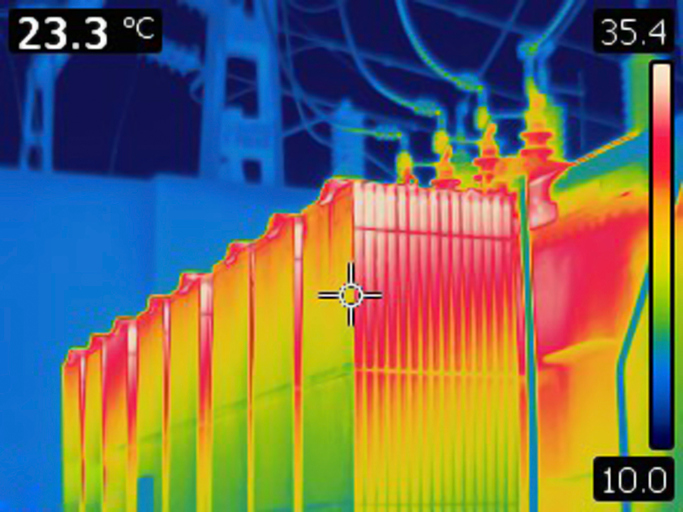
Infrared and thermal imaging solutions are gaining popularity in a number of applications across the globe. Early thermal imaging solutions were expensive and had to have some form of external cooling system. Today, a thermal imaging system no longer needs the bulky cooling system and is far cheaper, making them more accessible and useful in a variety of settings.
As infrared and thermal imaging solutions have become widely available, they’ve become widely utilized. They bring a number of advantages over visible imaging solutions for certain applications.
Thermal and infrared imaging systems are used in a wide range of industries and applications. For example, they’re used in security settings to identify intruders, surveillance applications to monitor critical infrastructure, construction to detect flaws in a building, and agriculture to track crop health, among many other applications.
These types of cameras are often used outdoors to detect light outside of the visible spectrum. The ability to see different spectrums of light has many benefits, regardless of the application.
While thermal and infrared systems are deployed in a wide range of settings, there are fundamental advantages that non-visible imaging solutions have over visible imaging solutions.
Infrared and thermal imaging systems perform well in low-light and low-visibility situations. This is critical for outdoor applications where light and visibility are a constant variable, and especially useful in security applications – no camouflage will fool a thermal camera.
Infrared and thermal cameras can also be used to measure temperature differences, which is critical for monitoring critical equipment. For example, a thermal camera can monitor electrical equipment – which heats up before it fails – to signal when maintenance or replacement is required.
Thermal and infrared image systems provide great return on investment (ROI) in most applications. In the examples above, keeping a location safe and secure, or avoiding a catastrophic equipment failure, can lead to rapid ROI. Thermal and infrared cameras, with their better performance in low-light situations, often require less initial investment too, as fewer cameras can be used. All of this adds up to reliable ROI.
Infrared and thermal imaging systems have become a common solution for security, surveillance and monitoring applications, among others. Advancing technology, decreasing costs and fundamental advantages over visible imaging solutions in certain applications have all led to the growing use of infrared and thermal imaging systems.